

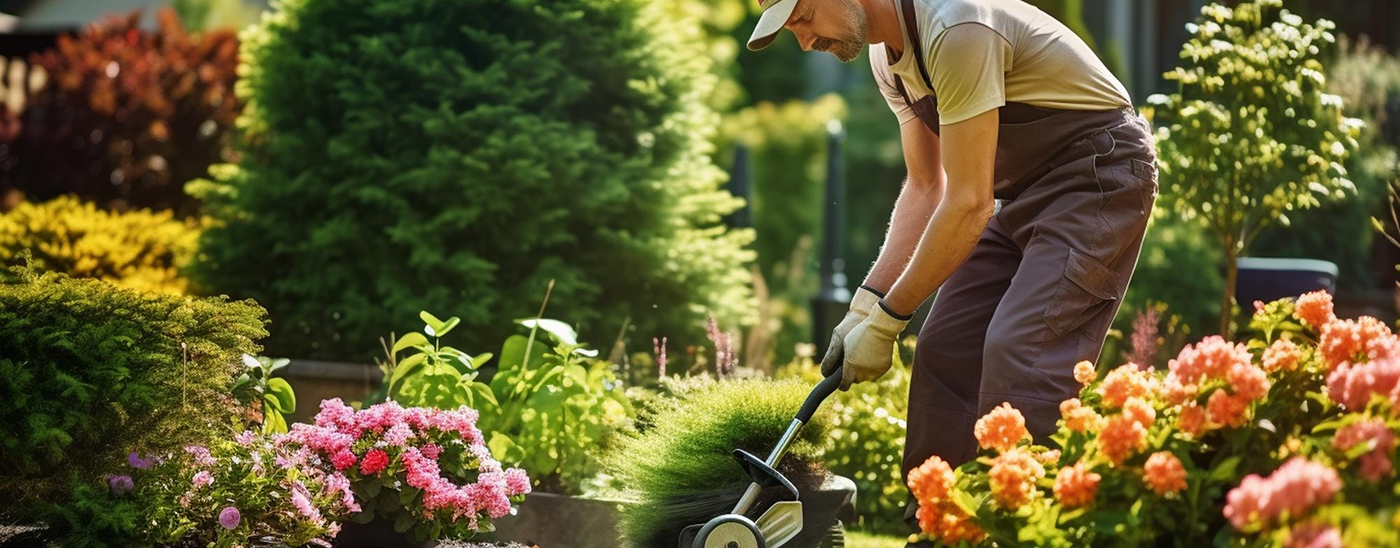
Create a stronger connection between your home and garden with thoughtful pathways, repeated planting, natural materials, and inviting outdoor spaces. A beautiful garden feels most inviting when every element works together in harmony. From the arrangement of plants and pathways to the choice of materials and outdoor seating, thoughtful connections between different features can transform an ordinary landscape into a cohesive and welcoming outdoor retreat. Rather than treating each area as a separate space, a connected garden creates a natural flow that encourages exploration, relaxation, and a closer relationship with nature.
Whether you are designing a modern villa garden, refreshing a backyard, or creating a peaceful outdoor living area, small design decisions can make a significant difference. By repeating natural materials, blending planting styles, and creating clear transitions between spaces, you can achieve a landscape that feels balanced, functional, and visually unified.
A garden should reveal itself gradually. Instead of seeing everything at once, consider creating moments of discovery as you move through the space. Pathways can guide people toward different areas, while planting can frame views and create a sense of depth. A carefully positioned tree, sculpture, seating area, or planting bed can become a focal point at the end of a path or from a window.
“A beautiful garden does more than surround your home — it creates space for connection, relaxation, nature, and everyday moments.”
1. Create a Consistent Planting Style
Choose plants that complement one another in color, shape, height, and texture. Repeating selected shrubs, ornamental grasses, and flowering plants throughout the garden creates a sense of continuity. Different planting combinations can still be used in individual areas while maintaining a consistent overall style.
2. Connect Spaces with Natural Pathways
Pathways help guide movement between entrances, seating areas, lawns, and garden features. Use materials such as natural stone, gravel, or textured paving that complement your home’s architecture. Curved pathways can create a relaxed, organic atmosphere, while straight lines often suit contemporary landscapes.
3. Repeat Materials and Colors
Using similar materials across different garden zones creates a visual connection. For example, matching stone borders, timber accents, or neutral paving can link a patio with nearby planting beds. Repeating a few colors in flowers, pots, and outdoor accessories also helps the entire space feel thoughtfully designed.
4. Blend Indoor and Outdoor Living
Create a natural transition between your home’s interior and the garden with large windows, sliding doors, outdoor seating, and coordinated finishes. Plants near entrances and terraces can soften architectural edges, while comfortable outdoor furniture encourages everyday activities to extend beyond the walls of the home.
5. Use Layered Planting for Visual Flow
Arrange trees, shrubs, flowering plants, and ground covers at different heights to create depth and continuity. Gradually transitioning between taller plants and lower-growing varieties helps soften boundaries and connects different parts of the landscape. Repeating selected plants across these layers makes the garden feel more cohesive.
6. Design Around a Shared Focal Point
A focal point can bring different garden areas together. Consider a sculptural plant, a small water feature, a distinctive tree, or a comfortable seating area. Positioning planting beds and pathways to draw attention toward this feature creates a sense of direction and gives the garden a clear visual identity.
7. Make Garden Seating Feel Integrated
Outdoor seating should feel like a natural part of the landscape rather than an isolated addition. Place benches beneath trees, position lounge furniture beside planting beds, or create a dining area surrounded by greenery. Natural materials and soft planting around seating areas can make these spaces feel welcoming and connected to their surroundings.