

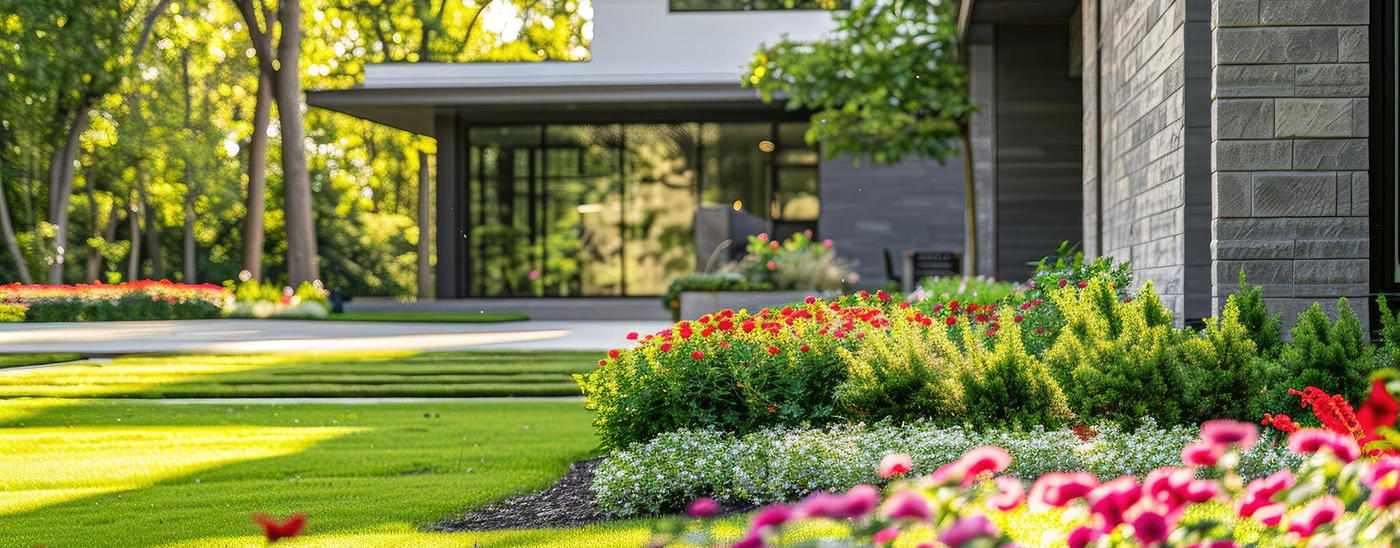
A well-designed garden should feel like more than an outdoor space surrounding your property. It should feel like a natural extension of the home—somewhere that continues the atmosphere, materials, proportions, and lifestyle of the spaces inside. The most successful landscapes create a gentle transition between architecture and nature. Carefully positioned planting, connected pathways, comfortable outdoor areas, and natural materials can make the garden feel integrated rather than separate.
A garden should reveal itself gradually. Instead of seeing everything at once, consider creating moments of discovery as you move through the space. Pathways can guide people toward different areas, while planting can frame views and create a sense of depth. A carefully positioned tree, sculpture, seating area, or planting bed can become a focal point at the end of a path or from a window.
“A beautiful garden does more than surround your home — it creates space for connection, relaxation, nature, and everyday moments.”
1. Understand How You Want to Use Your Garden
Think about how your outdoor space should support everyday life, whether it is for relaxing, dining, entertaining, gardening, or spending quiet time outdoors. Understanding your lifestyle helps create a layout that feels natural and purposeful.
2. Create a Balanced Garden Layout
Plan lawns, planting areas, pathways, seating zones, and garden features so every element feels connected. A balanced layout creates an easy flow through the garden while giving each area a clear purpose.
3. Layer Planting for Depth & Character
Combine trees, shrubs, grasses, flowers, and groundcovers at different heights to create visual depth and seasonal interest. Thoughtful planting layers can make even simple spaces feel rich, established, and full of life.
4. Build a Natural Connection With Your Home
Use planting, pathways, materials, and views to create a smooth transition between indoor and outdoor spaces. The garden should feel like a natural extension of your home rather than a separate area.
5. Create Privacy Without Losing Openness
Carefully positioned trees, shrubs, hedges, screens, and layered planting can provide privacy while keeping the garden feeling open and spacious. The right balance creates comfortable spaces without making them feel enclosed.
6. Choose Materials That Belong in the Landscape
Select natural stone, timber, gravel, paving, and other durable materials that complement your home and surrounding garden. Consider texture, color, weathering, and long-term performance to create a landscape with lasting character.
7. Plan for a Garden That Grows Beautifully
Consider how plants, trees, materials, and outdoor spaces will change over time. Designing with maturity, seasonal interest, maintenance, and future growth in mind helps create a garden that becomes richer and more beautiful with every passing year.