

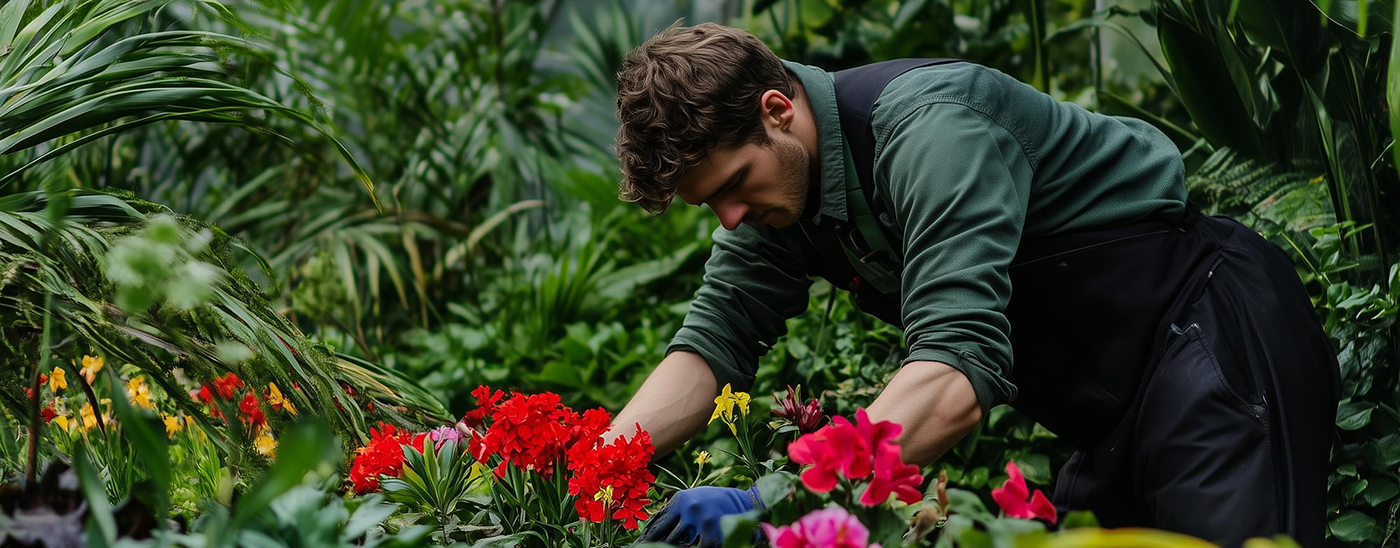
Discover practical ways to create a healthier, more sustainable landscape through climate-friendly planting, efficient water use, healthy soil, and natural garden practices. A sustainable garden begins with thoughtful choices that support nature while creating a beautiful, functional outdoor space. From improving soil health and selecting climate-friendly plants to conserving water and encouraging biodiversity, every decision can contribute to a healthier garden and a more balanced environment. Sustainable gardening is not about sacrificing beauty; it is about designing landscapes that thrive naturally while reducing unnecessary resource use.
Whether you are creating a new garden for a modern home, designing a luxury villa landscape, or refreshing an existing outdoor space, starting with sustainable principles can make a lasting difference. By working with the natural characteristics of your property and choosing practical, eco-conscious solutions, you can build a garden that remains vibrant, resilient, and easier to maintain over time.
“A beautiful garden does more than surround your home — it creates space for connection, relaxation, nature, and everyday moments.”
1. Start with Healthy, Living Soil
Healthy soil is the foundation of a thriving garden. Before planting, understand your soil’s texture, drainage, and nutrient levels. Improve soil structure by incorporating well-decomposed compost and suitable organic matter. Healthy soil supports beneficial organisms, encourages stronger root development, and helps plants access the nutrients and moisture they need.
2. Choose Plants That Suit Your Local Climate
Selecting plants adapted to your local climate can reduce the need for excessive watering, fertilizers, and ongoing maintenance. Native plants and other locally suitable varieties are often excellent choices because they can thrive under regional growing conditions. Consider sunlight, soil type, humidity, and seasonal rainfall before deciding which plants to include.
3. Conserve Water Through Smart Gardening
Water conservation is an essential part of sustainable landscape design. Water plants according to their actual needs, preferably during cooler parts of the day when evaporation is lower. Drip irrigation can deliver water directly to plant roots, while rainwater harvesting may provide an additional source for garden use where permitted and practical. Grouping plants with similar watering requirements also improves efficiency.
4. Use Mulch to Protect the Soil
Applying an appropriate layer of organic mulch around plants helps retain moisture, regulate soil temperature, and reduce weed growth. Materials such as dry leaves, bark, and suitable garden compost can gradually contribute organic matter as they break down. Keep mulch slightly away from plant stems and tree trunks to prevent excess moisture from accumulating against them.
5. Encourage Biodiversity and Pollinators
A sustainable garden supports a variety of living organisms. Planting different flowering species, incorporating shrubs, and providing suitable shelter can attract pollinators such as bees and butterflies. Choose flowers with different blooming periods to offer resources throughout the year. Avoid unnecessary pesticide use and adopt targeted, environmentally responsible pest management practices.
6. Reduce Chemical Inputs Naturally
Excessive fertilizers and pesticides can affect soil organisms, water quality, and beneficial insects. Start by maintaining healthy soil, selecting resilient plants, and monitoring garden conditions regularly. Remove weeds before they spread, encourage beneficial insects, and use targeted treatments only when necessary. These practices help create a healthier garden ecosystem.
7. Reuse and Recycle Garden Materials
Sustainable gardening often begins with making better use of available resources. Compost suitable kitchen scraps and garden waste, reuse fallen leaves as mulch, and consider reclaimed stone or responsibly sourced materials for pathways and borders. Reusing materials can reduce waste while adding character and natural texture to your landscape.