

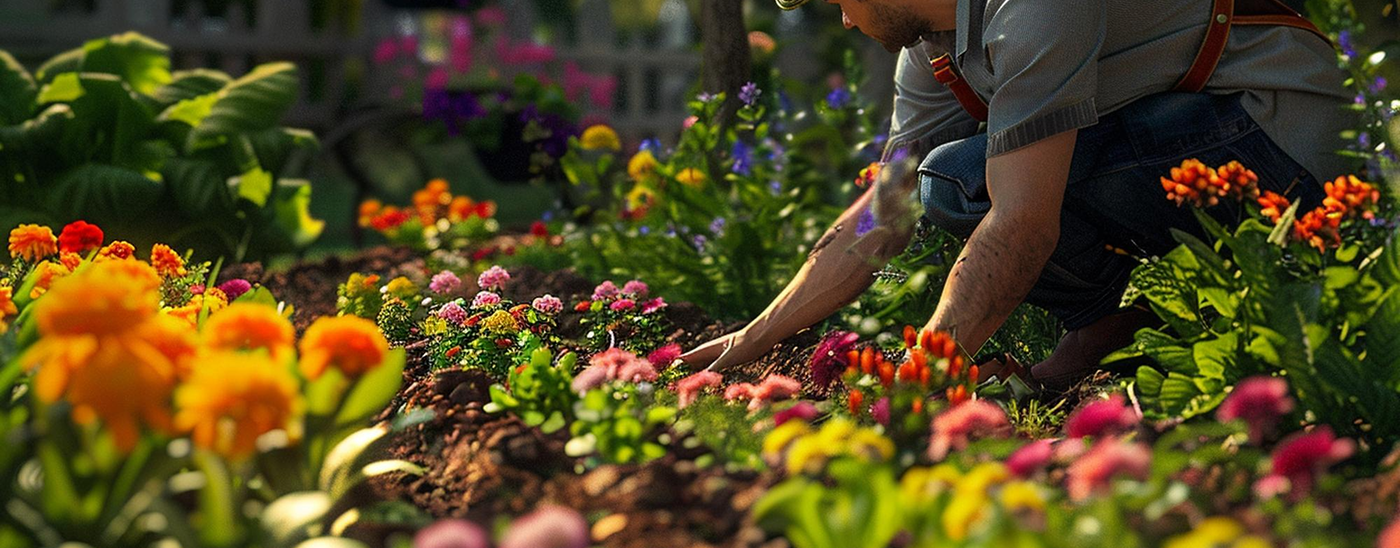
A beautiful garden is more than a collection of plants; it is a carefully balanced composition of colors, textures, heights, and natural forms. Layered planting is a landscape design technique that transforms ordinary outdoor spaces into lush, visually appealing environments by arranging plants at different heights and depths. From tall ornamental trees to medium-sized shrubs and delicate ground covers, each layer contributes to a sense of dimension, harmony, and natural beauty.
Whether you are designing a spacious garden, a cozy backyard, or a luxurious villa landscape, layered planting helps create a rich and inviting atmosphere. By combining complementary plants, varying foliage textures, and seasonal blooms, you can develop a garden that feels fuller, more dynamic, and beautiful throughout the year.
“A beautiful garden does more than surround your home — it creates space for connection, relaxation, nature, and everyday moments.”
1. Start with a Strong Background Layer
Tall trees, evergreen shrubs, and climbing plants establish the foundation of a layered garden. These plants create structure, provide privacy, and form a natural backdrop for smaller plants. Choose varieties that suit your garden’s climate, available space, and sunlight conditions to create a lasting foundation.
2. Introduce Medium-Height Plants for Balance
Medium-sized shrubs, flowering perennials, and ornamental grasses connect the taller background plants with the lower foreground. These middle layers add color, volume, and texture while helping the entire garden feel cohesive and naturally arranged.
3. Add Ground Covers and Low-Growing Plants
Ground covers, compact flowering plants, and decorative edging soften garden borders and create a seamless transition between planting beds, pathways, and lawns. They fill empty spaces, introduce subtle details, and make the landscape appear more complete.
4. Combine Different Textures and Foliage Shapes
A successful layered garden relies on contrast as much as height. Pair broad, glossy leaves with delicate grasses, fine foliage, and structured shrubs to create visual interest. Combining different plant forms adds depth and character without making the garden feel overcrowded.
5. Create Harmony with Complementary Colors
Choose a balanced color palette that complements your outdoor surroundings. Soft greens, whites, and pastel flowers can create a peaceful atmosphere, while vibrant blooms introduce energy and personality. Repeating selected colors throughout the garden helps maintain a consistent and elegant appearance.
6. Plan for Seasonal Beauty
A well-designed garden should offer something to appreciate throughout the year. Combine plants with different flowering periods, attractive foliage, seasonal color, and evergreen structure. This approach keeps the landscape visually interesting even when certain plants are not in bloom.
7. Consider Plant Spacing and Mature Growth
Layered planting should feel abundant without becoming overcrowded. Consider the mature height and spread of every plant before placing it in the garden. Allow enough room for healthy growth, airflow, sunlight, and maintenance while creating natural overlaps between the different layers.