

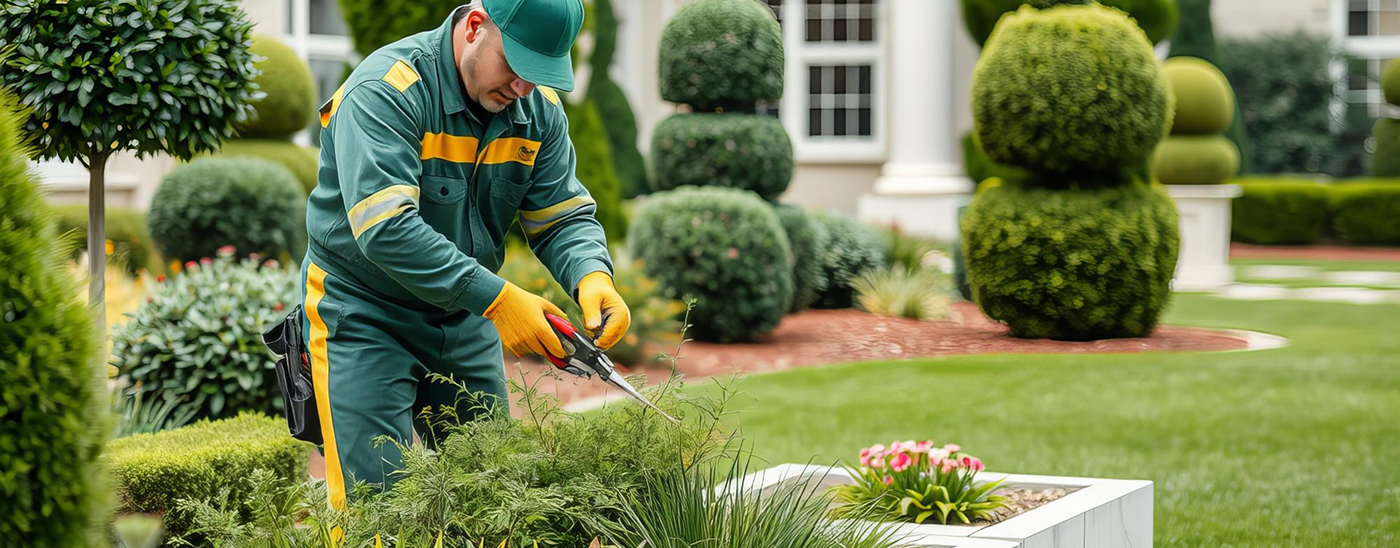
Learn how to choose trees, shrubs, flowers, and grasses based on sunlight, soil, climate, water needs, and the natural character of your landscape. Creating a beautiful landscape begins with choosing the right plants. While attractive flowers and lush greenery can transform an outdoor space, selecting plants that suit your local climate, soil conditions, and available sunlight is essential for long-term success. The right choices help your garden grow naturally, remain visually appealing throughout the seasons, and require less ongoing maintenance.
Whether you are designing a luxury villa garden, refreshing a backyard, or creating a peaceful outdoor retreat, understanding your landscape’s unique conditions can make plant selection easier. By considering factors such as water availability, mature plant size, seasonal changes, and overall garden design, you can create a landscape that combines natural beauty with healthy, sustainable growth.
“A beautiful garden does more than surround your home — it creates space for connection, relaxation, nature, and everyday moments.”
1. Understand Your Local Climate
Climate plays a major role in determining which plants will thrive. Consider your region’s temperatures, humidity, rainfall, seasonal changes, and exposure to strong winds. Choosing plants adapted to these conditions helps them establish healthy roots and grow more reliably throughout the year.
2. Evaluate Sunlight and Shade
Observe how sunlight moves across your garden during the day. Some plants flourish in direct sunlight, while others prefer partial shade or sheltered areas. Place sun-loving plants in open locations and shade-tolerant varieties beneath trees or near shaded walls to create healthier planting conditions.
3. Choose Plants That Suit Your Soil
Soil texture, drainage, and nutrient levels influence plant growth. Some varieties prefer well-drained sandy soil, while others grow better in moisture-retentive or richer soil. Assess your soil before planting and improve it with suitable organic matter when necessary to support healthy root development.
4. Consider Water Requirements
Select plants according to the water available for garden maintenance. Group plants with similar watering needs to simplify irrigation and prevent overwatering or underwatering. Drought-tolerant plants can be useful in dry areas, while moisture-loving varieties should be placed where their water requirements can be met consistently.
5. Plan for Mature Plant Size
A young plant may look small when first planted, but it can grow considerably over time. Consider the mature height and spread of trees, shrubs, and ground covers before choosing their locations. Adequate spacing allows plants to develop naturally, improves airflow, and reduces the need for frequent pruning.
6. Combine Different Heights and Textures
A visually appealing landscape includes plants with varied forms, foliage shapes, and growth habits. Use trees as a background structure, shrubs to create fullness, flowering plants to introduce color, and ground covers to soften borders. Combining these layers adds depth and creates a balanced garden composition.
7. Select Plants for Year-Round Interest
Choose a combination of evergreen foliage, seasonal flowers, attractive grasses, and plants with interesting bark or leaf colors. Different flowering periods help maintain visual interest throughout the year, while evergreen varieties provide structure when other plants are not in bloom.